
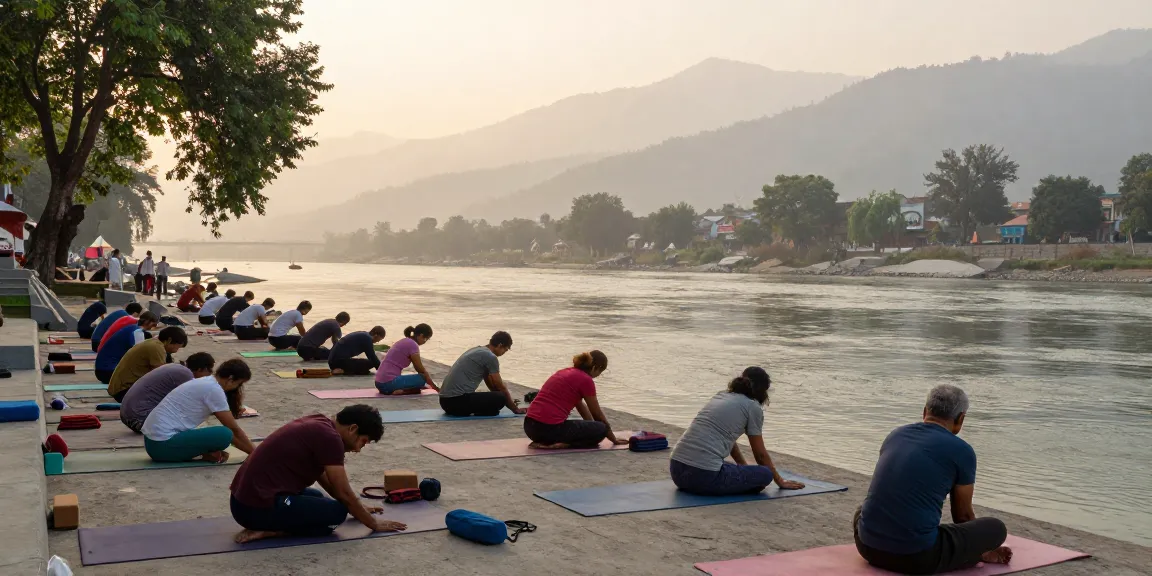
Introduction to Yoga Teacher Training in Rishikesh
Yoga has transcended its origins as a physical practice to become a comprehensive lifestyle choice that emphasizes mental clarity, spiritual enlightenment, and physical well-being. Yoga teacher training in rishikesh offers an unparalleled opportunity for individuals to deepen their practice, understand yogic philosophy, and prepare to teach yoga worldwide. Rishikesh, often dubbed the “Yoga Capital of the World,” attracts aspiring teachers with its serene ambiance, holistic approach, and the spiritual essence of the sacred Ganges River. This article delves into the layers of what makes Rishikesh a compelling destination for yoga teacher training, the subjects covered, the structure of courses, and all the essential details potential participants need to consider.
What is Yoga Teacher Training?
Yoga teacher training (YTT) programs are structured courses that not only teach the practice of yoga but also its philosophies, ethics, and methodologies. These programs are designed to prepare students to become certified instructors, equipped with deep knowledge of various yoga practices, anatomy, and more. YTT programs usually range from 200 to 500 hours, with the 200-hour course being the foundational certification recognized globally.
Importance of Rishikesh as a Yoga Destination
Rishikesh, nestled at the foothills of the Himalayas, is more than just a picturesque town; it is the birthplace of yoga. The environment is charged with a unique energy that promotes spiritual awakening and healing. The presence of numerous ashrams and yoga schools provides an immersive experience for students. The tranquility of the Ganges River, combined with the majestic mountains, creates a perfect backdrop for self-discovery and holistic learning.
Types of Certifications Offered
Yoga teacher training in Rishikesh typically offers several levels of certification, including:
- 200-Hour Yoga Teacher Training: This foundational course covers essential asanas, pranayama, meditation, and yoga philosophy.
- 300-Hour Yoga Teacher Training: Aimed at those who have completed their 200-hour training, this advanced course deepens the knowledge and skills required to teach yoga.
- 500-Hour Yoga Teacher Training: This comprehensive training combines both the 200 and 300-hour courses, providing an extensive understanding of yoga practice and philosophy.
Subjects Covered in Yoga Teacher Training
The curriculum of yoga teacher training courses in Rishikesh is diverse and comprehensive, designed to equip students with practical skills and theoretical knowledge.
Yoga Philosophy and Ethics
Understanding the core philosophy behind yoga is crucial for aspiring teachers. Courses delve into ancient texts such as the Yoga Sutras of Patanjali and the Bhagavad Gita, exploring the ethical practices outlined by the eight limbs of yoga (Ashtanga).
Asana Practice: Techniques and Variations
Students learn various yoga postures (asanas) along with their modifications. The emphasis is on alignment, safety, and the therapeutic benefits of each pose, allowing instructors to cater to diverse student needs.
Pranayama and Meditation Techniques
Breathing techniques (pranayama) and meditation practices form an integral part of the training. Students explore various methods, from basic breath control to advanced meditation techniques, enhancing their own practice and preparing them to guide others.
Daily Schedule of Yoga Teacher Training Courses
A typical day in a yoga teacher training course in Rishikesh is structured yet flexible, allowing ample time for practice, learning, and self-reflection.
Typical Daily Routine
Most training programs start early in the morning, often around 6 AM, with a sunrise yoga session. This is followed by classes that cover philosophy, anatomy, and teaching methods throughout the day.
Class Structure and Duration
Classes usually span several hours, interspersed with breaks for meals and personal practice. The interaction between students and instructors is encouraged, fostering a supportive learning environment.
Time for Self-Study and Reflection
Students are encouraged to engage in self-study and reflection, often leading to personal insights and growth—a pivotal aspect of the transformative journey in yoga teacher training.
Costs and Inclusions of Yoga Teacher Training
Understanding the financial investment required for yoga teacher training is vital. Costs vary based on the duration and amenities offered in each program.
Breakdown of Course Fees
The fees for yoga teacher training in Rishikesh typically range from $1,200 to $3,000, depending on the course type and duration. This includes accommodations, meals, and course materials.
What is Included in the Fees?
Most programs include:
- Accommodation in a serene setting conducive to learning
- Daily meals, often vegetarian, focusing on nutrition and wellness
- Comprehensive materials covering all subjects studied
- Access to experienced instructors and guest lectures
What is Not Included?
While many essentials are covered, some costs may not be included, such as:
- Travel expenses to and from Rishikesh
- Personal expenses, including shopping or excursions outside the scheduled activities
- Additional workshops or certifications that may be offered during the training
Why Choose Adhiroha for Your Teacher Training?
Adhiroha stands out as a premier destination for yoga teacher training in Rishikesh, known for its holistic approach, experienced instructors, and immersive learning environment.
Testimonials from Previous Students
Many former students credit Adhiroha with transforming not only their yoga practice but also their outlook on life. Positive reviews emphasize the supportive community, high-quality instruction, and transformative experiences.
Experienced Instructors and Their Qualifications
The instructors at Adhiroha are qualified professionals with years of experience in teaching and practicing yoga. Their diverse backgrounds enrich the training experience, providing students with various perspectives and insights.
Cultural Immersion Opportunities in Rishikesh
Part of the transformative experience includes opportunities to participate in local cultural activities such as attending the Aarti ceremony by the Ganges River, visiting traditional ashrams, and engaging with the local community.
Frequently Asked Questions about Yoga Teacher Training
For many prospective students, having clarity on common queries can ease the decision-making process. Questions often include:
- What is the difference between 200-hour and 300-hour courses? The 200-hour course is designed for beginners, while the 300-hour course is for those seeking advanced training.
- Can I teach yoga without certification in India? Technically, yes, but becoming a certified teacher greatly enhances your credibility and job prospects.
How to Prepare for Your Training?
Preparation for yoga teacher training involves setting intentions, establishing a personal practice, and familiarizing oneself with basic yoga concepts and anatomy. This preparation lays the groundwork for a more enriching experience.
What Happens After Completion of Training?
Upon completion, graduates often seek positions in yoga studios, wellness centers, or opt to teach independently. For more information, sound healing india offers valuable insights. Certification from a reputable school like Adhiroha also opens international teaching opportunities, allowing instructors to share their love of yoga globally.