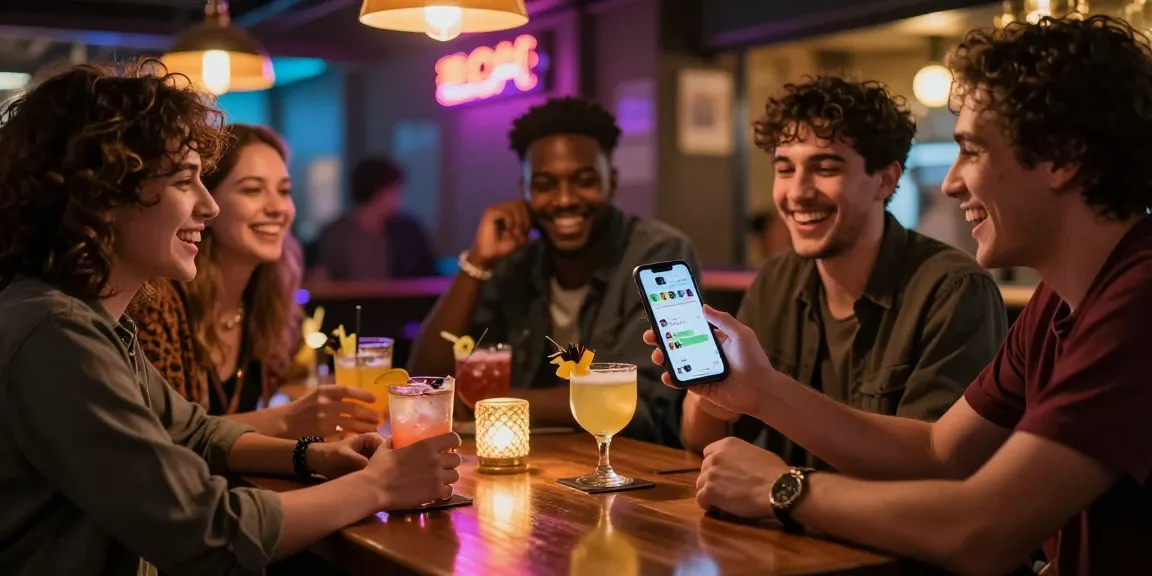
The Evolution of NSFW Content in Digital Communication
In the digital age, the term “NSFW,” which stands for “Not Safe for Work,” has become a prominent part of internet vernacular. It serves as a warning label for content that may not be appropriate to view in public or professional settings, often due to sexual, graphic, or otherwise sensitive nature. As society evolves, so does the interpretation and impact of NSFW content, revealing more about cultural norms and attitudes towards explicit material. When exploring options, nsfw resources provide comprehensive insights into this multifaceted topic.
Understanding NSFW: Definitions and Cultural Significance
NSFW is more than just an acronym; it's a cultural marker. The growth of the internet has made access to diverse content easier than ever, prompting the need for labels that safeguard users in various environments. According to Wikipedia, NSFW content encompasses a wide range of materials, from sexually explicit content to graphic violence. The term originated in online forums and has since permeated social media platforms and messaging services.
The cultural significance of NSFW content lies in its ability to highlight societal standards regarding sexuality and imagery. What is deemed acceptable varies significantly across different communities and cultures, often dictated by geographical, generational, and professional norms. Notably, some platforms like Reddit and Twitter actively utilize NSFW tags to manage community expectations and prevent unexpected exposure to sensitive material.
How NSFW Content Has Changed Over the Years
Over the years, the nature of NSFW content has transformed, particularly with the advent of social media. In the early days of the internet, explicit content was often relegated to niche websites or underground forums. However, as social media platforms emerged and gained popularity, the lines between public and private content blurred significantly. Users began sharing NSFW content more freely, leading to conversations about consent, ownership, and the ethical implications of sharing explicit material.
Furthermore, the rise of user-generated content has diversified what constitutes NSFW. Platforms like OnlyFans and Patreon have given creators the ability to monetize adult content, allowing for greater mainstream acceptance of such works. This shift indicates not only a change in consumer attitudes but also a broader acceptance of nuanced expressions of sexuality in public forums.
The Role of Social Media in NSFW Trends
Social media plays a pivotal role in the dissemination of NSFW content. Platforms like Instagram and TikTok, primarily designed for general audiences, grapple with the challenge of regulating and moderating NSFW material while allowing creative freedom. The problem lies in varying user expectations and community guidelines, which often lead to controversial bans or account suspensions for creators posting explicit content.
Moreover, social media has facilitated the rise of "shock content," where creators intentionally produce material that tests the boundaries of NSFW definitions, pushing for greater engagement. This phenomenon raises important questions about community standards and personal responsibility when sharing and encountering NSFW materials.
Best Practices for Sharing NSFW Content Responsibly
With the rise in NSFW content sharing, it has become crucial for users to adopt responsible practices to navigate this sensitive landscape. By understanding the audience and the inherent risks involved, creators can foster a healthier environment for sharing such materials.
Understanding Audience Sensitivity
When sharing NSFW content, it is vital to understand the audience's sensitivity to explicit material. Different communities have varied tolerances and moral perspectives regarding such content. Engaging in open dialogue and providing context can help audiences navigate their comfort levels more effectively.
In professional settings, caution is necessary to avoid misunderstandings or reputational harm. Content sharing should always consider the possibility of exposure to unintended viewers, which can lead to severe consequences.
Platforms with NSFW Policies: What You Need to Know
Each platform has its own set of guidelines regarding NSFW content. Familiarizing oneself with these policies is essential for anyone looking to share or engage with explicit material. For instance, while platforms like Pornhub and OnlyFans cater to adult content explicitly, others like Facebook and Instagram adopt stricter regulations against sexually explicit or obscene content.
Understanding these rules not only helps in compliance but also aids in choosing the right platform for content visibility and audience engagement.
Creating Safe Spaces for Sharing NSFW Material
Creating safe spaces for NSFW content sharing involves fostering environments where consent and respect are paramount. This can be achieved through clearly defined boundaries for what is acceptable, encouraging community guidelines that promote healthy discussions about sexuality, body positivity, and consent.
Online forums, private groups, or subscription-based platforms often provide safer environments where users can engage with NSFW material without fear of harassment or backlash, thus promoting responsible content sharing practices.
Legal Implications Surrounding NSFW Content
The landscape of NSFW content is rife with legal challenges that both content creators and consumers must navigate carefully. Understanding the legal implications is essential to avoid potential pitfalls.
NSFW Content and Copyright Issues
Copyright laws play a significant role in the distribution and sharing of NSFW content. Many creators produce original works that are protected under copyright, and unauthorized use can lead to serious legal repercussions. It's crucial for consumers to respect the rights of creators and ensure that any shared content is either their own or shared with explicit permission.
Additionally, content duplication or distribution without consent can result in infringement lawsuits, which are costly and damaging to reputations.
Understanding the Limits of Free Expression
While free expression is a fundamental right, it is not absolute. There are legal limits regarding the sharing and distribution of NSFW content, particularly when it involves minors, non-consensual material, or obscenity laws dictated by state or federal regulations. Creators must be aware of these boundaries to ensure compliance while advocating for their content.
Moreover, social platforms may enforce their own guidelines, which can lead to content removal or account suspension for violating community standards.
How to Safeguard Against Legal Repercussions
To safeguard against legal repercussions, creators and users should consider the following best practices:
- Always acquire explicit consent from individuals involved in any NSFW content.
- Research and understand the copyright laws relevant to the content being shared.
- Stay informed about changes in legislation and platform guidelines regarding NSFW content.
- Utilize watermarking and branding for original content to protect against unauthorized use.
By implementing these strategies, individuals can significantly reduce their exposure to legal risks associated with NSFW content sharing.
Future Trends in NSFW Content: What to Expect by 2026
As society continues to evolve, so too will the landscape of NSFW content. Emerging technologies and shifting cultural norms promise to reshape how explicit material is created, shared, and consumed.
Emerging Technologies Influencing NSFW Sharing
Innovations in technology are set to revolutionize NSFW content sharing. Virtual Reality (VR) and Augmented Reality (AR) are already beginning to offer immersive experiences in adult entertainment that challenge traditional consumption methods. By 2026, advancements in these technologies may allow for even more intimate and interactive experiences, blurring the lines between reality and artificiality.
Moreover, AI-driven content creation tools could enable personalized NSFW material tailored to individual preferences, potentially transforming user interactions with explicit content.
Shifts in Cultural Norms and Acceptance
Cultural acceptance of NSFW content is gradually widening, particularly among younger generations. As discussions about sexuality, gender, and expression become more mainstream, the stigma around NSFW content continues to diminish. Increasing advocacy for sexual freedom and expression highlights a desire for greater accessibility and acceptance of explicit material.
This cultural shift will likely inspire a more tolerant environment for NSFW content, allowing for more diverse representations of sexuality and body types.
Potential Industry Changes Impacting NSFW Regulations
Looking ahead, potential changes in regulations surrounding NSFW content are also on the horizon. Governments may implement clearer frameworks regarding adult content, potentially leading to more standardized practices across platforms. Furthermore, the rise of influencers and creators advocating for sex-positive narratives may influence policy changes to prioritize user safety and consent across digital spaces.
Creating Engaging NSFW Content for Your Audience
For content creators, understanding how to effectively craft engaging NSFW material is essential for audience retention and satisfaction. Here are several strategies to consider.
Tips for Crafting Humorous and Relatable NSFW Material
Humor can be a significant draw in NSFW content, allowing creators to engage audiences more effectively. Integrating playful elements or relatable scenarios can help demystify explicit content while making it more approachable. This invites broader discussions about sexuality while alleviating discomfort.
For instance, comedic skits related to sexual experiences or situations can resonate with viewers, turning potentially awkward topics into enjoyable entertainment.
Utilizing Visuals Effectively in NSFW Contexts
Visuals play a crucial role in NSFW content. High-quality images and professionally produced videos enhance viewer engagement. It's important to consider how visual aesthetics align with the intended message and audience expectations. Creators should focus on authenticity and diversity in their visuals to reflect a broader range of experiences.
Furthermore, innovative visual storytelling methods can captivate audiences, encouraging them to explore themes of sexuality more fully and openly.
Case Studies: Successful NSFW Campaigns and Their Impact
Examining successful NSFW campaigns can offer valuable lessons for creators. For example, brands like Lovehoney and Fleshlight have successfully navigated the NSFW landscape by normalizing discussions around sex toys and adult entertainment. Their smart marketing strategies, which combine humor, inclusivity, and educational elements, demonstrate how to engage audiences effectively while promoting sexual wellness.
Such campaigns reveal that NSFW content does not need to be exclusively explicit; it can also serve as a platform for empowerment, education, and advocacy.
Is NSFW content illegal?
No, merely viewing adult NSFW content is generally not illegal, but there are restrictions based on age and the nature of the content. It is important to differentiate between legal adult content and illegal materials such as child pornography or non-consensual acts.
How can I share NSFW content safely?
To share NSFW content safely, ensure that it is done in appropriate environments, always acquire consent from participants, and respect platform guidelines. Additionally, consider creating private channels for sharing sensitive material.
What platforms allow NSFW content?
Several platforms are designed specifically for sharing NSFW content, like OnlyFans, Pornhub, or AdultFriendFinder. Other social media platforms like Twitter may allow for NSFW content but enforce strict guidelines.
How does NSFW content affect social interactions?
NSFW content can significantly impact social interactions, often sparking open conversations about sexuality and relationships. However, it can also lead to discomfort or misunderstandings if not approached respectfully.
What are the best practices for creating NSFW material?
Best practices include ensuring consent, understanding legal implications, being aware of audience sensitivities, and maintaining high production quality. Creators should also actively engage their audience to foster a connection and encourage feedback.